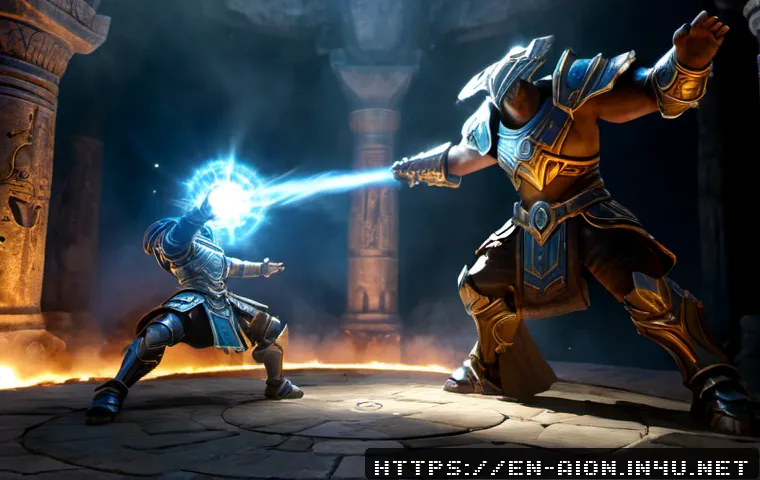
Aion boss patterns are easier to learn when your party watches telegraphs, assigns responsibilities, and reviews each wipe for one clear cause. You do not need to memorize every animation at once; you need a repeatable way to identify what changed and choose the right response.
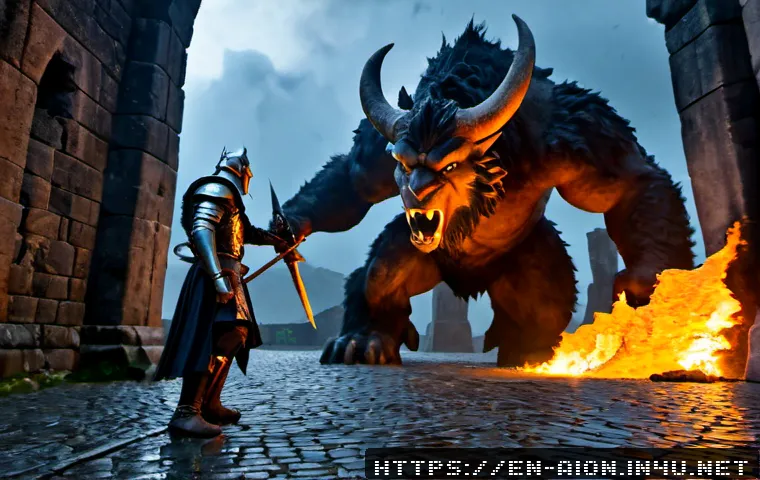
Start by confirming the instance, region, difficulty mode, and patch context before relying on any guide. Free videos and community explanations can save time when they are current, while organized groups can help when communication is the real problem.
Optional raid coaching or premium game guides may be useful for difficult content, but only after checking their update date, scope, cost, and reputation.
A short preparation routine usually prevents more avoidable deaths than trying to chase damage from the first pull.
At a Glance
- Watch telegraphs early: boss movement, cast indicators, and ground effects often reveal the next response.
- Assign responsibility: decide who handles interrupts, adds, recovery calls, and key cooldowns before pulling.
- Review wipes briefly: identify one actual trigger, adjust, and begin the next attempt with a clear plan.
| Preparation Method | Time Commitment | Potential Cost | Best Use | Reliability Check |
|---|---|---|---|---|
| Self-practice | Can require repeated pulls | May involve repair costs and consumables | Learning your group’s own reactions | Record what actually caused each wipe |
| Community guides or videos | Usually faster to review | Often free | Understanding the basic encounter flow | Confirm version, region, patch, and difficulty |
| Organized community group | Depends on group availability | May vary by community tool or service | Improving coordination and callouts | Check expectations and communication style |
| Paid coaching or premium guide | Can reduce trial-and-error time | Varies substantially | Focused help for a specific problem | Check current scope, reputation, and game rules |
Read the Encounter Before It Reads Your Party
The most useful Aion boss skill is not perfect memory. It is recognizing what signal appears before danger happens. Boss encounters can differ by version, region, instance, difficulty mode, and patch state, so avoid assuming that a mechanic explanation always applies to your run.
The Three Signals to Watch
Start with three categories: boss movement, cast indicators, and ground telegraphs. A boss turning, moving toward a player, or pausing in an unusual position may indicate a positional attack. A cast bar may create an interrupt, defensive, or movement decision. A ground effect often tells the party where not to stand, where to stack, or where a safe zone may be.
Do not wait for damage to confirm the mechanic if the telegraph is already visible. Moving early is usually easier than trying to recover after multiple players are hit.
Why One Death Can Still Be Useful
A wipe is only wasted when the party restarts without identifying the trigger. After a failed pull, ask one short question: What happened immediately before the first avoidable death? It may have been an ignored cast, an add left alive, a missed position, or a cooldown used too early. Keep the review focused. A long argument creates less progress than one accurate adjustment.
Simple Pull Rule
Move early, assign responsibility, and review each wipe briefly. This is especially valuable for pickup groups, where players may have different experience levels and no shared routine.
Compare Ways to Learn Boss Mechanics Before You Spend More Time
There is no single best preparation method. The right choice depends on whether your main obstacle is missing information, limited time, inconsistent group coordination, or uncertainty about a difficult mechanic.
Self-Practice, Guides, Groups, and Coaching
Self-practice gives your party direct experience, but repeated pulls can consume time, consumables, repair resources, and group availability. Community guides and video walkthroughs can explain a likely pattern quickly, but their accuracy depends on whether they match your current version. Organized voice-chat groups can be useful when players understand the fight individually but fail to react together.
Optional raid coaching or a premium game guide may make sense when a group is repeatedly stuck on one coordination issue and current free resources are unclear. It is not automatically the better option for a simple encounter or for a guide that does not clearly state its update context.
Use Selection Criteria, Not Hype
Before relying on any resource, check its update date, game version, region, difficulty mode, and encounter scope. Then consider whether the creator explains why a response works instead of merely listing commands. A useful guide helps players adapt when a boss behaves differently from an older video.
When Paid Help May Be Worthwhile
Consider paid coaching only if the service clearly explains what it covers, the information appears current, and the cost is reasonable for your own goals. Skip it when your group simply needs a basic role assignment, a short callout plan, or a current free walkthrough. Always verify that any third-party service or community activity is permitted under the game’s terms.
Build a Simple Pattern-Reading System for Any Boss
Instead of trying to memorize a full encounter in one sitting, divide the fight into a few repeatable sections. This turns a confusing pull into a sequence your party can discuss.
Identify the Encounter Timeline
Look for the opener, the repeat cycle, the phase transition, and any rising pressure that resembles an enrage-style check. The opener tells you what happens when everyone is settled. The repeat cycle reveals which signals return. A phase change may introduce adds, new positioning demands, or more party-wide damage.
Match the Signal to the Response
Give each observed mechanic one plain response: move, stack, spread, interrupt, burst, or recover. If the group uses several different calls for the same event, simplify them. Clear language matters more than clever language when players are reacting quickly.
Track Adds, Debuffs, and Safe Areas
Assign someone to notice adds, another player to call important casts if needed, and a clear priority for targets. Watch for debuffs that require movement, separation, stacking, or defensive recovery. If a safe area appears, identify it early rather than having every player search independently.
Prevent the Most Common Group Mistakes
Many wipes do not come from a lack of damage. They come from a party entering with no shared expectation about who reacts first.

Do Not Pull Without Assignments
Before the first attempt, decide who watches interrupts, who handles adds, who makes a recovery call, and when major cooldowns should be considered. The plan can be short. What matters is that every player knows whether a mechanic is their responsibility or someone else’s.
Do Not Chase Damage Through Positional Mechanics
Damage is rarely useful if it causes an avoidable death or forces the group into a recovery situation. When a telegraph appears, resolve the mechanic first. Return to damage once the party is stable.
Do Not Trust an Outdated Guide Automatically
An Aion explanation may be correct for another region, patch state, difficulty mode, or instance version. Treat every guide as a starting point until you confirm its context. If the boss behavior does not match, return to the live signals instead of forcing an old strategy.
Do Not Overreact to Every Call
Too many calls can create confusion. Use agreed terms and avoid shouting several instructions at once. A calm “move out,” “adds first,” or “recover” is easier to follow than a long explanation during a dangerous moment.
Adjust Your Preparation for Casual Parties and Organized Groups
Your preparation should match the group’s purpose. A first-time party needs a simple survival plan. A regular guild or static group can build a more consistent communication system over repeated attempts.
A Low-Pressure Plan for First-Time Groups
For a casual or pickup party, explain only the most important early risks: where to stand, what to avoid, which cast to watch, and how adds will be handled. Agree that the first pull is partly for observation. Afterward, adjust one or two points rather than rebuilding the entire plan.
A Consistent Callout Plan for Organized Groups
Guild and static groups benefit from predictable callouts. Decide who speaks for movement, interrupts, adds, and recovery. Keep the same wording from pull to pull so players can react without debating the meaning of each call.
Different Roles, Different Preparation
Tanks should focus on positioning, boss movement, and target control. Healers should identify likely party-wide damage moments, recovery windows, and players who may be separated. Damage dealers should know when to stop chasing uptime, switch targets, use burst, or prioritize survival. Every role benefits from knowing the overall pattern, not just its own task.
Selection Criteria and Comparison Summary
Choose your preparation method by checking these points before you spend more time or money:
- Patch relevance: Does the resource match your region, version, instance, and difficulty?
- Specific scope: Does it address the mechanic or coordination issue your party actually has?
- Time trade-off: Is repeated practice practical for your group’s availability?
- Cost clarity: Are any coaching or premium guide terms explained clearly before payment?
- Community reputation: Can you assess whether the source is reliable and current?
Use free resources when the information is current and the encounter is straightforward. Choose an organized learning group when coordination is the main obstacle. Compare current guide options before paying for help.
Closing Thoughts
Aion boss patterns become more manageable when your party treats each pull as information, not just a pass-or-fail attempt. Watch the telegraph, use a shared response, and identify the first meaningful mistake after a wipe. A current guide can help, but it should support observation rather than replace it. The best preparation is the one that gives your group a clear next action.
Useful Things to Know
1. A short post-wipe review is more useful when it names one trigger.
2. Communication tools can help organized groups, but clear wording matters more than constant talking.
3. Repeated pulls may involve time, consumables, repair resources, and group availability.
4. A guide that explains signals and responses is often more adaptable than a rigid script.
Important Notes
Exact Aion bosses, damage values, rewards, available instances, and mechanics can vary by game version, region, patch state, and difficulty mode. Third-party guides, coaching services, group-finding tools, and communities should be checked for current accuracy, trustworthiness, pricing, and compliance with applicable game terms before use.
Frequently Asked Questions
Q1. How can I learn an Aion boss pattern faster without memorizing every attack?
A1. Focus on the repeating signals: boss movement, cast indicators, ground telegraphs, adds, and phase changes. Match each signal to one response such as move, stack, spread, interrupt, burst, or recover. After each wipe, identify the first avoidable trigger instead of trying to remember every detail at once.
Q2. Are paid Aion guides or raid coaching worth the cost for difficult encounters?
A2. They may be useful when your group is stuck on a specific coordination problem and current free resources do not address it clearly. Check patch relevance, scope, cost, reputation, and game-term compliance first. Compare current guide options before paying for help.
Q3. What should a party assign before attempting a new boss for the first time?
A3. Assign responsibility for interrupts, adds, positioning calls, recovery decisions, and major cooldown planning. Keep the first plan simple, especially for a pickup group. The goal is not to predict every mechanic; it is to ensure that no critical task has been left to everyone and no one at the same time.