Alright, fellow Aion fanatics and curious newcomers! It’s your friendly neighborhood gaming guru here, ready to dive deep into a topic that’s always buzzing in our community: Aion user reviews.
We all know Aion holds a special place in many of our hearts – a true titan of its era that captivated us with its stunning visuals and epic PvPvE. But as time marches on and new expansions roll out, the game constantly evolves, and so do the experiences of its loyal legion of players.
Let’s be real, the world of MMORPGs is more competitive than ever, and keeping a game fresh and engaging for over a decade is no small feat. From the thrill of flight to the strategic depth of fortress sieges, Aion has given us countless unforgettable moments.
Yet, every great journey has its ups and downs, and what truly matters is how those experiences resonate with us. Whether you’re a seasoned Daeva who’s seen it all, or someone just considering spreading their wings in Atreia, understanding the current pulse of the player base is crucial.
We’re talking about everything from the latest class balances and economy tweaks to the overall feeling of community and developer communication. How do these changes impact our daily grind, our epic raids, and that ever-important sense of belonging?
Today, we’re cutting through the noise to get a real sense of what players genuinely think right now, separating the hype from the honest feedback. It’s all about finding out what truly makes Aion tick for its dedicated audience in this ever-evolving gaming landscape.
So, let’s peel back the layers and truly understand what makes players love, or sometimes lament, their time in Atreia, and what we might expect next from this iconic game.
The current landscape of player sentiment is fascinating, offering insights not just into Aion’s health, but also into broader trends shaping the future of online gaming.
So, are players still enchanted by the eternal struggle between the Elyos and Asmodians, or are common frustrations starting to overshadow the magic? Let’s explore the genuine user evaluations of Aion today.
The Ever-Shifting Sands of Combat: Class Balance & PvP Engagement

Alright, let’s get real about Aion’s combat. This game has always been about that exhilarating PvPvE experience, hasn’t it? The thrill of diving into an enemy zone, the tension of a fortress siege, the pure adrenaline rush of a well-timed gank – that’s what hooked so many of us. But here’s the rub: keeping that balance fair and fun across a dozen-plus classes is an endless, monumental task. I’ve personally experienced the frustration of logging in after a major patch only to find my beloved main suddenly feels like a shadow of its former self, or conversely, discovering a new meta that just steamrolls everything. It makes you question your gear choices, your stigmatas, even your very existence as a Daeva! What really gets under my skin sometimes is when certain classes feel absolutely unplayable in specific scenarios, creating this “us vs. them” mentality within the community rather than fostering diverse, strategic gameplay. It’s not just about raw numbers either; it’s about the feel, the flow, the perceived fairness when you’re duking it out with another player. This constant recalibration is a double-edged sword: it keeps things fresh, but it can also be incredibly disheartening when your favorite playstyle gets gutted. We crave that challenge, that dynamic engagement, but not at the expense of feeling completely outmatched due to factors beyond our skill.
The Endless Dance of Nerfs and Buffs
Oh, the never-ending cycle of nerfs and buffs! It’s almost a meme in the Aion community, isn’t it? Every time a new major update drops, the first thing I do is scour the patch notes for changes to my class. And let me tell you, it’s rarely a calm experience. One minute your primary skill is hitting like a truck, the next it feels like you’re pelting enemies with wet noodles. I remember one specific patch where my Templar’s survivability felt like it got cut in half overnight, making open-world PvP a nightmare until I completely revamped my gear and stigma build. It’s exhausting, honestly. You pour so much time, effort, and sometimes real money into perfecting your character, only for a developer decision to completely upend your strategy. I’ve seen countless players, myself included, consider taking a break or even switching mains because the class they dedicated hundreds of hours to just isn’t viable anymore in their preferred content. While I understand the need for balance in a competitive game, the speed and sometimes drastic nature of these changes can be incredibly jarring. It feels like sometimes the developers are chasing the meta rather than guiding it, leading to a roller coaster of power shifts that can be more frustrating than exciting. Finding that sweet spot where every class feels capable, even if not dominant, is the dream, but it often feels like we’re always just a few steps away.
PvP: Still the Heartbeat of Aion?
For many of us, Aion’s PvP isn’t just a feature; it’s the very soul of the game. The sheer scale of fortress sieges, the strategic depth of Dredgion, and the raw intensity of open-world skirmishes – it’s what drew us in and what keeps us logging back in. I still get goosebumps remembering my first successful siege defense, coordinating with my Legion mates against overwhelming odds. But I’ve got to be honest, the PvP landscape has changed a lot over the years. What was once a vibrant, constantly active battleground sometimes feels a bit more… structured, or instanced. The magic of spontaneously encountering an enemy Daeva and engaging in an epic duel in a contested zone feels less frequent. This isn’t to say PvP is dead; far from it. Arena queues still pop, and sieges, when they happen, are still incredible spectacles. However, the feeling of organic, emergent PvP has waned for me. It sometimes feels like the incentives have shifted, pushing players towards more efficient, less spontaneous forms of engagement. The core mechanics are still there, the flight combat is still unparalleled, but the surrounding ecosystem sometimes struggles to foster that same level of continuous, unpredictable conflict that made early Aion so captivating. It makes me wonder if the focus has shifted too much towards instanced content and away from encouraging players to truly own and contest the open world, diminishing some of that unique Aion flavor.
Beyond the Battlefield: The Evolving In-Game Economy and PvE Adventures
Stepping away from the clash of steel and magic for a moment, let’s talk about something just as crucial to our daily Aion lives: the economy and PvE content. For me, a healthy in-game economy is the backbone of any thriving MMORPG. It dictates how we gear up, how we afford consumables, and how accessible endgame content truly is for everyone. I’ve seen Aion’s economy swing wildly over the years, from periods of relative stability to outright hyperinflation where basic crafting materials cost a fortune and gear upgrades felt impossibly out of reach for casual players. It’s a constant balancing act, and honestly, sometimes it feels like it tips too far in one direction. I’ve spent countless hours grinding for Kinah, just to afford that one key enchantment stone, or to buy a piece of gear that just refused to drop for me. Then there’s the PvE side, which for many, is a relaxing counterbalance to the intensity of PvP. Whether it’s running dungeons with friends, completing quests, or just exploring the breathtaking zones, PvE provides a different kind of satisfaction. But how much has that evolved? Are new dungeons truly engaging, or do they feel like repetitive grind-fests? The blend of these two elements—a stable economy supporting diverse PvE—is what keeps a game like Aion truly sustainable and enjoyable for a broad audience. When either one falters, the entire player experience can suffer, making even logging in feel like a chore rather than a joy.
Navigating the Market: Inflation, Scarcity, and the Grind
Navigating the Broker in Aion can sometimes feel like trying to sail through a storm without a compass. Prices fluctuate wildly, scarcity hits hard, and the sheer amount of grinding needed to stay competitive can be daunting. I vividly remember one period where the cost of certain enchantment stones skyrocketed, making it nearly impossible for me to upgrade my gear without dedicating an entire weekend to farming specific instances. It wasn’t just about earning Kinah; it was about the diminishing returns on my time invested. The introduction of new systems, like certain upgrade mechanics or crafting recipes, often throws the market into a frenzy, with speculators buying up resources and driving prices through the roof. It’s frustrating when you just want to play the game and improve your character, but you feel like you need a degree in economics to understand why a common material is suddenly worth a king’s ransom. And let’s not even start on the impact of bots and RMT (Real Money Trading), which can further destabilize the market, making it harder for legitimate players to thrive. While I appreciate a dynamic economy, a sense of stability and predictability would go a long way in making the grind feel less like a chore and more like a rewarding path to progression. We all want to feel like our efforts are translating into tangible improvements, and a chaotic market often undermines that very feeling.
The PvE Journey: From Dungeons to Dredgions
Beyond the cutthroat world of PvP, Aion has always offered a rich tapestry of PvE content, and for many, that’s where the heart of their casual play lies. From the sprawling questlines that guide you through Atreia’s lore to the challenging dungeons that demand careful coordination, there’s a lot to sink your teeth into. I’ve spent countless hours exploring every nook and cranny of new zones, uncovering hidden quests, and experiencing the story unfold. Running dungeons with a reliable group of friends, mastering boss mechanics, and finally seeing that coveted drop – there’s a genuine satisfaction in that. However, I’ve also noticed a pattern where some newer PvE content, while visually stunning, can feel a bit repetitive after a few runs. The initial excitement of a new instance sometimes gives way to a feeling of ‘just another daily grind.’ We crave innovative mechanics, boss fights that truly test our skill and teamwork in new ways, not just higher numbers and more complex rotations. I remember one specific dungeon that required some really clever environmental interaction, and that kind of creative design always sticks with me. While the core dungeon crawling and questing is solid, I often find myself wishing for more variety in objectives and more organic, world-based PvE events that encourage exploration beyond instanced zones. It’s about keeping that sense of wonder alive, even for those of us who have seen it all before.
Community Chronicles: Navigating the Social Landscape of Atreia
Let’s talk about something incredibly important that often gets overlooked in discussions about game mechanics: the community. Aion, at its core, is a massively multiplayer online role-playing game, and that “multiplayer” aspect is what truly defines our experience. The people you meet, the Legions you join, the friendships you forge (and sometimes the rivalries you ignite!) – these are the threads that weave the rich tapestry of our time in Atreia. I’ve met some of my closest online friends through Aion, sharing countless late-night runs, epic sieges, and even just casual chats in Pandarunerk’s Playhouse. But like any large online community, it’s a mixed bag. You have the incredibly helpful veterans, the hilarious trolls, the dedicated leaders, and unfortunately, sometimes the less-than-pleasant individuals who can sour the experience. What I’ve found over the years is that a strong community can elevate even a struggling game, while a fractured or toxic one can drive players away, regardless of how good the core gameplay is. The health of a game’s community is, in my opinion, a direct reflection of its long-term viability. It’s about more than just numbers; it’s about the interactions, the support, and the shared passion that keeps us all coming back. When you feel a sense of belonging, the daily grind feels less like a chore and more like a collective adventure.
Guilds, Legions, and the Quest for Belonging
For many of us, the first thing we do in any MMORPG is find a guild, or in Aion’s case, a Legion. And let me tell you, finding the right Legion can make or break your entire Aion experience. I’ve been in Legions that felt like a second family, where we’d coordinate sieges like a well-oiled machine, run dungeons laughing all the way, and even just hang out in voice chat discussing everything from game strategies to our real-life woes. That sense of camaraderie, of having a reliable group to tackle challenges with, is irreplaceable. It’s not just about having bodies for content; it’s about shared goals, mutual support, and a collective identity. On the flip side, I’ve also been in Legions that were… less than ideal. Disorganized, cliquish, or just plain inactive, they can make the game feel incredibly isolating. The constant search for that perfect fit, a group that truly resonates with your playstyle and personality, is a significant part of the Aion journey. When you find that strong, active Legion, it suddenly makes the grind more tolerable, the PvP more strategic, and the overall experience infinitely more enjoyable. It’s the human element, the shared journey, that truly keeps us invested, and a good Legion is often the primary vehicle for that connection.
The Good, The Bad, and The Toxic: Player Interactions
Ah, player interactions. They’re the spicy seasoning of the Aion experience, aren’t they? On one hand, you have the incredible moments: the random stranger who helps you out of a tough spot, the insightful advice from a veteran, the hilarious banter in regional chat, or the unexpected friendships that blossom. I’ve had countless positive interactions that made my day, from a simple “gg” after a hard-fought PvP match to someone patiently explaining a complex mechanic to me. These moments remind you why you love online games. But then, there’s the other side of the coin. The toxicity. The incessant trash talk, the elitism in LFG channels, the outright harassment that sometimes plagues general chat. It’s incredibly disheartening when a few bad apples can spoil the atmosphere for so many. I’ve personally had to block players whose negativity was just overwhelming, and I know many others who have done the same. It makes you wonder how much more vibrant the community could be if everyone just adopted a little more patience and empathy. While Aion has tools to report these behaviors, the sheer volume can sometimes feel like an uphill battle. It’s a delicate balance: we want robust social interaction, but we also want a safe and enjoyable environment. Finding ways to foster the positive and curb the negative is a challenge that every online game faces, and Aion is no exception.
Developer’s Dialogue: How Communication Shapes Our Aion Experience
Okay, let’s address the elephant in the room that often looms large over our Atreian adventures: developer communication. As players, we pour our hearts, time, and sometimes even our wallets into Aion, and naturally, we want to feel heard and informed. It’s not just about getting what we want, but about understanding the direction the game is heading, the reasoning behind major changes, and what to expect in the future. I’ve personally felt the pang of frustration when a critical bug persists for weeks with no official acknowledgement, or when a significant balance change drops seemingly out of the blue without much explanation. Conversely, when developers are open, transparent, and engage with the community, it builds an incredible amount of goodwill and trust. It makes us feel like we’re part of the journey, not just passive consumers. Regular updates, clear roadmaps, and honest discussions about challenges—these are the things that truly foster a healthy player-developer relationship. When communication falters, it can lead to rampant speculation, dissatisfaction, and ultimately, a feeling of disconnect that slowly erodes player loyalty. We’re not asking for perfection, but for a consistent, respectful dialogue that acknowledges our passion for the game. After all, we’re all in this Atreian journey together, aren’t we?
Listening to the Daevas: Transparency and Timeliness
Transparency and timeliness from the developers are, in my opinion, two of the most critical factors in maintaining a healthy player base. I can’t tell you how many times I’ve seen community frustration boil over simply because of a lack of timely information. Whether it’s about server maintenance, an unexpected bug, or a pending update, silence can be deafening. I remember one specific instance where a major server issue caused widespread disconnections for an entire evening, and the lack of immediate communication from the official channels just fueled the fire of player anger. We don’t expect instant solutions to every problem, but knowing that the developers are aware of an issue and are actively working on it goes a long, long way. Furthermore, transparency about game design decisions – why certain classes were buffed or nerfed, or why a particular content update was prioritized – helps us understand the bigger picture. When these decisions feel arbitrary or unexplained, it’s easy to jump to conclusions, often negative ones. Opening up a more consistent dialogue, perhaps through regular Q&As or dev blogs, would make us feel more valued and connected to the people shaping our game world. It’s about bridging that gap between the creators and the players, fostering a sense of mutual respect and understanding.
Patch Notes and Promises: Bridging the Gap
Patch notes are our sacred texts in Aion, aren’t they? We dissect them, analyze them, and try to predict the meta shifts before they even happen. But sometimes, the patch notes themselves can be a source of frustration. Vagueness, missing details, or changes that aren’t fully explained can leave us scratching our heads. I recall a patch where a critical skill change was mentioned almost in passing, without any elaboration on its impact, leading to a lot of confusion and theorycrafting debates in my Legion. It feels like a missed opportunity when the primary source of information leaves more questions than answers. Then there are the promises – the teasers of upcoming content, the sneak peeks at future features. These build excitement, and rightly so! We love seeing what’s on the horizon. However, when these promises don’t materialize as expected, or when features are significantly delayed without clear communication, it can lead to disappointment and a loss of trust. It’s a delicate balance between hyping new content and setting realistic expectations. A more consistent and detailed approach to patch notes, coupled with transparent updates on development progress, would go a long way in managing player expectations and fostering a more positive relationship between the community and the development team. We just want to know what’s coming and why, so we can prepare and get excited in equal measure.
The Enduring Allure: What Keeps Daevas Flying Back?
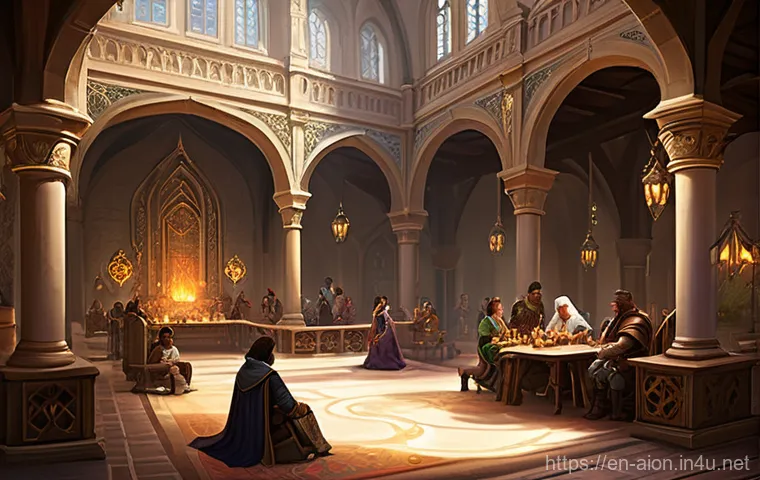
After all these years, after all the ups and downs, the nerfs and buffs, the new games that come and go, what is it about Aion that keeps drawing us back? Seriously, I often ask myself this question, especially after a particularly frustrating PvP encounter or a long, fruitless grind. And almost every time, the answer boils down to a few core elements that Aion just seems to do better than almost any other MMORPG out there. It’s more than just pixels on a screen; it’s the memories, the unparalleled sense of freedom, and that unique blend of danger and beauty that permeates Atreia. This game has a way of getting under your skin, doesn’t it? It’s the kind of game where you can spend hours just flying around, taking in the breathtaking scenery, or engaging in a heated debate with your Legion mates over strategy. The sheer scale and ambition of its world design, coupled with its distinctive combat, create an experience that often feels unmatched. Even when I step away for a bit, there’s always that little voice in the back of my head whispering about a new expansion, a forgotten friend, or just the urge to take flight again. It’s a testament to the game’s fundamental strengths that, despite its age and evolving landscape, it still holds such a strong magnetic pull for so many of us.
Nostalgia’s Strong Embrace
Let’s be honest, a huge part of Aion’s enduring appeal for many veteran players is pure, unadulterated nostalgia. I mean, how many of us remember our first time soaring through the skies of Atreia, the sheer wonder of it all? Or the exhilaration of our very first fortress siege, heart pounding as we tried to defend our territory? Those memories are potent, and they form a powerful emotional connection to the game. I’ve logged back in countless times, not necessarily because there was new content I desperately wanted to try, but simply to revisit familiar places, to chat with old friends (or at least check if they’re still online), and to relive a little piece of my gaming history. Aion was, for many, one of the first MMORPGs that truly delivered on the promise of aerial combat and stunning visuals, and that initial impact creates a lasting impression. It’s like revisiting an old haunt; even if things have changed, the fundamental feel, the familiar sounds, and the echoes of past adventures are enough to make you feel right at home. The game has evolved, sure, but the core essence that captured our imaginations years ago is still there, waiting for us to dive back in and make new memories alongside the old.
The Unmatched Freedom of Flight and World Design
If there’s one thing Aion absolutely nailed from day one, and continues to excel at, it’s the sense of flight and the sheer beauty of its world design. Seriously, no other MMORPG I’ve played has ever quite captured the exhilaration of soaring through the skies of Atreia like Aion does. It’s not just a travel mechanic; it’s an integral part of combat, exploration, and just soaking in the atmosphere. The ability to seamlessly transition from ground combat to aerial maneuvers, dodging attacks while diving through canyons, is just *chefs kiss*. I’ve spent countless hours simply flying around, admiring the detailed architecture of the cities, the ethereal glow of Reshanta, or the lush landscapes of newer zones. The art style, even after all these years, remains strikingly unique and beautiful. It’s a world that feels alive, dangerous, and utterly captivating. This freedom of movement, combined with the often breathtaking visual fidelity, creates a sense of immersion that few other games can replicate. It’s a key differentiator, a defining characteristic that sets Aion apart, and I truly believe it’s one of the strongest reasons why players, old and new, continue to be drawn to its unique charm. That feeling of spreading your wings and taking off, leaving the ground behind, is simply addictive.
Growing Pains and Persistent Pleasures: Addressing Long-Standing Grievances
Every long-running game has its quirks, its persistent issues that the community discusses endlessly, sometimes with fondness, other times with outright frustration. Aion is no different. We all have those pet peeves, those quality-of-life improvements we’ve been wishing for since day one, or those recurring problems that just never seem to get fully resolved. While the game delivers immense pleasure and unique experiences, it’s also important to acknowledge these “growing pains” that, if left unaddressed, can slowly chip away at player enjoyment. I’ve personally seen minor inconveniences snowball into significant sources of irritation over time. For example, the inventory management system, while functional, could often feel clunky and limited, especially for hoarders like myself! It’s these smaller, seemingly insignificant details that, when aggregated, can significantly impact the daily flow of gameplay. And then there are the larger, more systemic issues that truly test our patience and loyalty. It’s a testament to Aion’s core strengths that we stick around despite these grievances, hoping that one day, these long-standing issues will finally be given the attention they deserve. Because when those little frustrations are smoothed out, the overall experience shines even brighter. It’s about polishing the gem that Aion already is, making it sparkle for everyone.
Quality of Life: Small Changes, Big Impact
You know, sometimes it’s not the grand new expansion or the epic new raid that makes the biggest difference; it’s the small, quality-of-life changes that truly improve our daily grind. Think about it: streamlined quest tracking, more intuitive UI elements, improved inventory sorting, or even just more convenient teleport options. These might seem minor on paper, but when you spend hundreds, if not thousands, of hours in a game, these little conveniences add up to a huge improvement in the overall player experience. I’ve often thought about how much smoother my gameplay would be if certain repetitive tasks were automated or simplified. For example, combining enchantment stones or managing gear sets could be so much more user-friendly. I remember when a small update allowed for instant teleportation between certain zones, and it felt like a monumental improvement, saving countless minutes of travel time every day. These are the kinds of changes that show the developers are paying attention to the player’s day-to-day interactions with the game, not just the flashy new content. When a game gets these little things right, it reduces friction and allows us to focus more on the fun parts – the combat, the exploration, the social interactions – rather than wrestling with clunky mechanics. Small changes, big impact, indeed!
Botting and RMT: The Ever-Present Shadows
Let’s talk about the less glamorous, but ever-present, shadows that plague many online games, including Aion: botting and Real Money Trading (RMT). Honestly, few things are as disheartening as seeing a perfectly legitimate farming spot swarming with bots, mindlessly collecting resources or grinding mobs, directly impacting the in-game economy and devaluing honest effort. I’ve personally spent hours farming rare drops, only to see the market price undercut by materials flooded in by automated programs. It feels like a slap in the face to players who invest their time and skill into the game. And RMT? It cheapens the entire experience. When someone can just buy their way to endgame gear or massive amounts of Kinah, it undermines the sense of achievement and progression for everyone else. It creates an unfair playing field, eroding the competitive spirit of PvP and making economic participation feel pointless. While I know developers constantly battle these issues, sometimes it feels like a never-ending whack-a-mole game, and the impact on the legitimate player base can be significant. Stronger, more proactive measures against these illicit activities are always high on every player’s wish list because a game where hard work is consistently devalued by unfair advantages just isn’t as much fun. We want fair play, where our efforts truly matter.
| Aspect of Aion | Player Sentiment (Current) | Impact on Experience |
|---|---|---|
| Class Balance | Mixed, constant adjustments lead to volatility. | Frustration with mains, but new metas keep some engaged. |
| In-Game Economy | Challenging due to inflation and RMT. | Increased grind for gear, difficulty for casual players. |
| PvP Activity | Still vibrant in instanced content, less organic open-world. | High-stakes fun remains, but some miss spontaneous encounters. |
| PvE Content | Visually appealing, but some newer instances can feel repetitive. | Initial excitement, but long-term engagement can wane for some. |
| Community Spirit | Strong Legions foster belonging; general chat can be toxic. | Positive experiences with friends, but some encounter negativity. |
| Developer Communication | Inconsistent; timeliness and transparency are desired. | Frustration over unaddressed bugs, but good communication builds trust. |
The New Horizons: Impact of Recent Content Updates on Player Sentiment
Every time a major content update or expansion drops in Aion, it feels like a fresh wave of excitement washes over the community. We eagerly watch the trailers, dissect every developer diary, and theorize about how these new additions will change our gameplay. These updates are crucial, as they breathe new life into an aging game, introducing new zones to explore, new gear to chase, and new challenges to overcome. I’ve personally felt that surge of renewed energy, logging back in with a sense of purpose, eager to see what new adventures await. However, the true test of an update isn’t just the initial hype; it’s how it resonates with the player base weeks and months down the line. Do the new features truly enhance the experience? Do they address long-standing issues or simply introduce new ones? The reception to these updates can significantly sway player sentiment, influencing everything from daily logins to community morale. It’s a delicate balance for the developers: innovate enough to keep things fresh, but stay true to the core identity that makes Aion, well, Aion. When an update hits that sweet spot, it can truly reinvigorate the game, drawing back old players and captivating new ones. But when it misses the mark, the disappointment can be palpable, leading to a noticeable dip in activity and enthusiasm.
Fresh Zones and Familiar Faces: Do Updates Deliver?
New zones are always a highlight of any Aion expansion, aren’t they? The first time you step into an entirely new area, with its unique art style, new mob types, and fresh questlines, it’s pure magic. I still remember the awe I felt exploring the first new zones introduced after my initial adventures. The sense of discovery, the thrill of uncovering hidden lore, and the challenge of new environmental hazards – that’s what makes it exciting. However, a common sentiment I’ve picked up, and felt myself, is whether these updates truly deliver on their promise in the long run. Do the new zones offer sustainable content, or do they become quickly exhausted, leaving players back to the old grind? Sometimes, the novelty wears off relatively quickly if the underlying mechanics or reward structures aren’t engaging enough. We love seeing familiar faces among the NPCs and lore, but we also crave substantial new gameplay loops. It’s not just about more content; it’s about meaningful content that enriches the overall Aion experience. When an update manages to blend stunning new visuals with truly innovative gameplay, it’s a resounding success. But if it feels like just a reskin of old mechanics, the excitement can quickly turn into a shrug, leaving us wishing for more depth beyond the initial aesthetic appeal.
The Future of Atreia: Hopes and Concerns
As loyal Daevas, we all harbor a mix of hopes and concerns for the future of Atreia. On one hand, we hope for continued innovation, for new classes that feel genuinely unique, for PvE content that challenges us in fresh ways, and for a PvP landscape that remains dynamic and fair. We dream of a fully optimized game client, perhaps even a graphical overhaul that brings Aion up to modern standards without losing its iconic charm. We hope for a vibrant, growing community where new players are welcomed and veterans are celebrated. My personal hope is always for a renewed focus on open-world PvPvE, perhaps with more incentives to engage in the eternal struggle outside of instanced zones, bringing back that sense of constant danger and excitement. On the other hand, there are always concerns. Will future updates prioritize monetization over player experience? Will the power creep continue to make old content obsolete? Will the game eventually fall into a state of neglect? These are the questions that keep many of us up at night, wondering about the longevity and direction of our beloved game. Ultimately, the future of Aion lies in the hands of the developers, and it’s up to them to nurture this incredible world and its dedicated community, addressing concerns while building upon the strong foundations that have kept us captivated for so long. We’re all rooting for Atreia to continue thriving for many years to come.
Wrapping Things Up
At the end of the day, after all the battles fought, Kinah earned, and friendships forged (and rivalries too!), Aion continues to hold a truly special place in the hearts of many of us Daevas. It’s a game that, despite its challenges and the ever-shifting landscape of the MMO world, consistently pulls us back with its unique charm, breathtaking world, and unparalleled flight mechanics. Our shared journey through Atreia, filled with both triumphs and frustrations, is what makes this game so much more than just pixels on a screen. It’s a living, breathing world, shaped by its players and developers alike, and that enduring connection is a testament to the magic Aion still weaves.
Useful Insights for Every Daeva
1. Always keep an eye on official patch notes and community forums; understanding upcoming balance changes or new content can give you a significant edge in both PvP and PvE. Staying informed helps you adapt quickly and efficiently.
2. Actively participate in a strong Legion. Beyond just having people for group content, a good Legion provides a crucial support network, enhances your overall game experience, and turns the grind into a shared adventure.
3. Take the time to understand Aion’s in-game economy. Monitoring market prices, knowing when to buy or sell, and identifying valuable farming spots can make your journey to acquiring the best gear much smoother and less frustrating.
4. Be a proactive member of the community by reporting bots and RMT activities. A fair and balanced game environment benefits everyone, and helping to curb these issues contributes to a healthier, more enjoyable Atreia for all.
5. Provide constructive feedback to the developers. Whether it’s through official channels or well-structured forum posts, your input can help shape the game’s future and address long-standing issues that impact the player base.
Key Takeaways
Aion remains a compelling MMORPG due to its distinct flight combat, beautiful world design, and deeply ingrained social dynamics. While it faces ongoing challenges with class balance, economic fluctuations, and developer communication, the unwavering passion of its community and the game’s unique core experience continue to draw players back. Engaging with the community, staying informed, and providing thoughtful feedback are essential for a fulfilling journey in Atreia.
Frequently Asked Questions (FAQ) 📖
Q: Is
A: ion still worth playing for new or returning players in 2024-2025, especially considering both the “Classic” and “Retail” versions? A1: Oh, this is the question I get asked all the time, and honestly, the answer is a little nuanced!
If you’re an old-school player yearning for that nostalgic rush, Aion Classic, particularly the EU Atreia server, seems to be where a lot of the veteran action is.
People there are really living that level 55 cap life, full of PvP and PvE activities, and the community often feels like a tight-knit group of old friends.
It’s truly heartwarming to see so many “old timers living the nostalgia of 10 years ago”. However, it’s not all sunshine and rainbows. While some find it “more than playable” and don’t consider it truly “pay-to-win” since you can often earn the premium “Siel’s Aura” with in-game Kinah, others point out that making enough Kinah can feel like a “slave to their systems” rather than just playing the game how you want.
I’ve heard some players complain about the “aggressive pay-to-win system” in Aion Classic and even a noticeable presence of bots, which can definitely dampen the experience, especially for solo players or those trying to get groups for older content.
Now, when we talk about Aion Retail (the modern version), it’s a different beast entirely. While it boasts updated graphics and faster combat, the general sentiment among many long-time players, and even some newer ones, is that it’s fallen into a “pay-to-win” trap, with progression often feeling impossible without heavy cash shop spending.
I’ve personally seen and heard the frustrations about the game becoming a “casino game disguised as an MMORPG”. Many feel it’s lost its identity and fun, with unbalanced PvP and unchallenging PvE.
Honestly, some even go as far as to say there’s “no future for Aion retail in any region”. If you’re looking for that classic Aion feel, most community members would nudge you towards Aion Classic.
If you’re new and just want to scratch an MMO itch, some new players have surprisingly found the standard server “really fun” and easy to get into in 2024, praising the fluid questing and easy-to-navigate map.
But my personal take? If you’re coming back or starting fresh, Classic is likely to offer a more authentic Aion experience, even with its own challenges.
Just be prepared for the grind and consider joining a good legion to find your footing!
Q: What’s the current state of
A: ion’s economy and progression, and how are players feeling about the grind? A2: Ah, the economy and the infamous “grind” – these topics always get players heated!
In Aion Classic, the economy is heavily influenced by the ability to earn Kinah for essential items, including Siel’s Aura (the monthly subscription) which can be bought with in-game gold.
While some players report that it’s possible to earn a substantial amount of Kinah in a week, allowing you to essentially play for free after an initial purchase, others strongly disagree, saying it requires being a “slave to their systems” rather than casual play.
I’ve heard too many stories of people feeling like they have to dedicate serious time just to keep up, and that’s a sentiment I can relate to from my own past experiences with games that demand a lot of your time or wallet.
The grind for gear and Abyss Points (AP) is still a core part of the experience, and while it’s what many veterans love about the classic feel, new players might find it quite daunting.
The modern Aion, on the other hand, has really pivoted. Many players, myself included, feel that the retail version’s economy is severely impacted by aggressive “pay-to-win” mechanics, making progression without spending real money feel incredibly slow or impossible.
I’ve seen discussions where players describe the game as “not enough content, no progression possible without a maximum cash shop”. It seems like the focus has shifted heavily towards monetization, and not in a way that feels rewarding for effort.
For example, some content that used to be soloable has been nerfed, pushing players towards group content or, let’s be frank, the cash shop, which just isn’t fun for everyone.
So, for Classic, be ready for a true old-school grind that can be rewarding with dedication, but for Retail, the consensus is that the economic model and progression system have unfortunately become a major pain point, driving many players away.
Q: How’s the PvPvE landscape in
A: ion right now, and what’s the general opinion on class balance and faction warfare? A3: The heart of Aion has always been its epic PvPvE, right? That feeling of flying into the Abyss, not knowing if you’ll run into an enemy faction or a massive raid boss – that’s pure Aion magic!
In Aion Classic, that spirit is definitely still alive. Fortress sieges and open-world PvP are major draws, and for many, it’s the reason they keep coming back.
I’ve seen a lot of chatter, especially on EU servers, about the open-world PvP being “more alive than ever” since recent rank system changes. However, the question of class balance is, as always, a hot topic.
From what I’ve observed and heard from countless players, there’s a strong feeling that “plates and cloths” (Templars, Gladiators, Sorcerers, Spiritmasters) often dominate the PvP scene, especially in 1v1 and group scenarios.
Some players, particularly those maining leather classes like Assassins and Rangers, feel like they struggle to make an impact against well-geared plate wearers or powerful casters, even with exceptional skill.
I’ve personally felt the sting of trying to burst down a well-played Templar, and it can be incredibly frustrating! Recent updates have even introduced new classes with “Sorc-like damage numbers” in PvP, further stirring the pot when it comes to balance.
While PvE balance seems to be less of a concern, PvP is where these disparities really shine, leading to lively (and sometimes heated!) discussions within the community.
For Aion Retail, the PvP scene is unfortunately described as “extremely unbalanced” and generally in a chaotic state, with a noticeable lack of players to engage with.
The core excitement of faction warfare seems to have dwindled on these servers, which is a real shame for a game that was built on that foundation. It makes me genuinely sad to see, because that initial thrill of the eternal struggle between Elyos and Asmodians was what hooked so many of us in the first place.
So, if you’re chasing that classic Aion PvPvE rush, Classic is definitely the way to go, but be ready for the ongoing debates about class balance that are as old as Atreia itself!