Hey there, fellow Atreians and PvP enthusiasts! .
It’s that exhilarating moment when a perfectly executed combo sends your opponent tumbling, or the nail-biting suspense as you strategically maneuver to survive a gank.
Especially as a Gladiator, every single engagement is a test of skill, timing, and raw determination. We’re talking about a class that embodies sheer power, capable of dishing out massive damage while standing firm against the fiercest foes.
But let’s be real, with constant balance updates and evolving metas, staying on top of your game as a Gladiator in PvP can feel like a never-ending quest.
From optimizing your gear to mastering intricate skill rotations and understanding matchup specific tactics, there’s always something new to learn or refine.
And trust me, I’ve spent countless hours in the Abyss and various instances honing my craft, so I truly get it. The landscape of Aion PvP, whether we’re talking Classic or the highly anticipated Aion 2, is always shifting.
We’ve seen significant reworks to classes like the Gladiator in recent Korean patches, which hint at some exciting shifts in playstyle and strategic depth.
This isn’t just about raw stats anymore; it’s about anticipating enemy moves, perfectly timing your crowd control, and leveraging every single cooldown to your advantage.
The developers are clearly pushing for more dynamic and engaging combat experiences, and as Gladiators, we’re right at the heart of that intensity. It’s a fascinating time to be a part of the Aion community, especially with discussions around Aion 2’s structured PvP systems and balanced server matchmaking designed to enhance fairness and reduce faction imbalances.
This means a fresh wave of opportunities to prove your mettle and carve out your legend in the annals of Atreia. Getting ahead now means understanding these underlying shifts and adapting our strategies to not just survive, but absolutely dominate.
Are you ready to truly unleash the Gladiator within and conquer your opponents in Aion PvP? Let’s dive deep into the ultimate strategies that will transform your gameplay and secure those crucial victories.
Mastering Your Arsenal: Gear & Stigmas
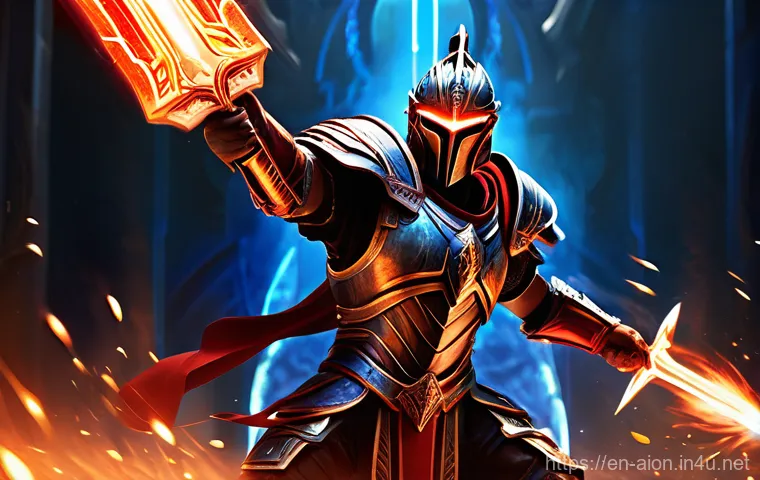
Alright, fellow Gladiators, let’s kick things off with what truly matters: your gear! I mean, you can have all the skill in the world, but if your weapon isn’t up to par, you’re just not going to hit hard enough to make a difference.
This isn’t just about picking up any old sword; it’s about meticulously selecting and enhancing every single piece of equipment to maximize your PvP potential.
From the weapon itself to the specific stigmas you slot and the godstones you painstakingly acquire, each choice contributes to your overall strength and how effectively you can dominate the battlefield.
I’ve been down the road of thinking “good enough” gear would cut it, and let me tell you, it almost always led to frustrating losses. The difference between a well-optimized Gladiator and one who simply equips whatever drops can be night and day in a heated duel.
It’s not just about raw stats either; it’s about synergy, about how each piece of your kit complements your playstyle and allows you to execute your strategies flawlessly.
For instance, a weapon with the right godstone can instantly turn a losing fight into a victorious one, or a carefully chosen stigma setup can give you the burst needed to finish off a fleeing opponent.
These details, often overlooked by newcomers, are absolutely vital for becoming a top-tier Gladiator. Trust me, investing the time here pays dividends.
Choosing the Right Weaponry
For us Gladiators, our bread and butter is often a two-handed weapon – whether it’s a greatsword for that raw, devastating power or a polearm for its reach and sometimes better base stats.
Personally, I’ve tried countless variations, and what I’ve consistently found is that getting your hands on the absolute
best quality weapon
you can manage, and then pouring every single bit of enchanting power into it, is non-negotiable. Seriously, don’t skimp here. Aim for something with a good base attack and critical strike stat.
For instance, in Aion Classic, a well-enchanted Balaur weapon or a top-tier AP weapon makes a huge difference. And don’t forget the extendable weapon dilemma!
While an extendable can be fantastic for kiting and maintaining distance, especially against certain caster classes, the raw damage output often falls short compared to a dedicated non-extendable PvP greatsword or polearm.
My advice? Have both if you can. Practice switching, because that quick swap can sometimes turn the tide of a skirmish.
There’s nothing quite like landing a massive crit with your main weapon after baiting an enemy with an extendable poke.
Stigma Builds for Domination
Now, stigmas are where things get really personal, right? Your stigma build is essentially your Gladiator’s identity in PvP, and it needs to be tailored to your playstyle and the current meta.
I’ve spent countless hours in theorycrafting and real-world testing, swapping out stigmas after every major patch or even just to try a new approach against a particularly tricky opponent.
For pure damage and burst, you’ll naturally lean towards skills like “Greatsword of Judgment,” “Sure Strike,” and “Seizure.” These are your bread and butter for making opponents melt.
However, don’t underestimate the utility and survival stigmas. “Improved Stamina” or “Robust Blow” can be game-changers when you’re up against another high-burst class or a group of enemies.
In Aion 2 or later patches of Classic, where balance shifts are more frequent, I’ve seen Gladiators successfully run more hybrid builds, mixing offense with a touch of defensive utility, like incorporating “Ferocious Strike” for its reliable damage and knockdown potential, alongside “Crippling Blow” for its crucial debuff.
It’s all about finding that sweet spot between dishing out massive pain and being able to survive long enough to do it. Experiment, track your results, and don’t be afraid to deviate from the “standard” builds you see online.
Sometimes, that niche build is exactly what throws your opponents off.
Enchantments and Godstones: The Extra Edge
Beyond just the weapon itself, let’s talk about the magic we infuse into it and our armor – enchantments and godstones. These aren’t just minor boosts; they’re absolutely critical for squeezing out every ounce of advantage in PvP.
Enchanting your weapon to the highest possible level (often +15 or higher in later game versions) provides an
insane boost to your attack power
. I still remember the sheer elation of finally hitting that +15 enchant on my first serious PvP greatsword – the damage difference was immediately noticeable.
For godstones, it’s a bit more tactical. For Gladiators, silence or paralysis godstones are incredibly potent. Landing a silence on a caster mid-cast, or a paralysis on a melee opponent right before your burst, can dictate the entire fight.
I’ve personally won so many duels just because a well-timed paralysis godstone procced, allowing me to unleash a full combo uncontested. Don’t forget armor enchantments either!
While not as flashy as weapon enchants, those extra defense points and HP can be the difference between barely surviving a burst and hitting the dirt.
It’s all about stacking small advantages until they form an insurmountable lead over your opponents.
| Weapon Type | Primary Advantages for PvP | Potential Disadvantages for PvP | Best Use Cases |
|---|---|---|---|
| Greatsword | Highest raw attack power, often strong crit stats, devastating burst potential. | Shorter reach than polearm, less utility if no specific procs. | High burst Gladiators, 1v1 duels, eliminating squishy targets quickly. |
| Polearm | Superior reach, slightly faster attack speed, often good base stats. | Can sometimes lag behind greatsword in pure burst damage. | Open-world PvP, group fights, sustained damage, kiting melee opponents. |
| Extendable Weapon | Massive reach advantage, excellent for kiting and harassing ranged classes. | Lower base damage and crit compared to dedicated 2-handers. | Against ranged opponents (Sorcerers, Rangers), specific kiting strategies, disengaging. |
Unleashing Devastation: Skill Rotations & Combos
Okay, let’s get into the nitty-gritty of what makes a Gladiator truly terrifying: our skill rotations. It’s not just about mashing buttons; it’s a carefully choreographed dance of destruction.
For us Gladiators, a solid core DPS sequence often revolves around chaining our strongest damage skills with a clear goal: burst down our target. I’ve spent countless hours practicing these sequences on dummies, and then refining them in actual PvP encounters, trying to predict opponent movements and counter-play.
A typical opener might involve something like “Body Smash” into “Ferocious Strike,” immediately followed by “Draining Blow” or “Wave of Earthquake” to set up more damage or a knockdown.
The key is to know which skills flow into each other for maximum efficiency and how to cancel animations for quicker execution. It feels incredibly satisfying when you pull off a perfect chain, watching your opponent’s health bar just melt away.
Trust me, I’ve seen enough “WTF was that damage?!” whispers in the arena chat to know a good rotation when I use one. It’s not just about the damage, though.
It’s about the
flow and making every single hit count.
Core DPS Sequences
When you’re diving into a fight as a Gladiator, having a go-to sequence that maximizes your immediate damage is crucial. Think of it like your opening salvo, designed to put immense pressure on your opponent right from the start.
My personal favorite usually kicks off with a quick charge or dash to close the gap, immediately followed by skills that have a high chance of landing a crowd control effect, like “Stumble” or a knockdown.
From there, it’s about chaining your highest damage abilities that benefit from the opponent being CC’d. This might involve “Severe Blow” into “Sure Strike,” or a fully charged “Greatsword of Judgment” if you have the space and time.
The most important thing here is understanding which skills link together for faster execution and knowing how to effectively animation cancel. Seriously, practicing this until it’s muscle memory will elevate your game significantly.
It’s the difference between landing a few hits and delivering a truly crushing blow.
Bursting Down Opponents
This is where the Gladiator really shines – our capacity for insane burst damage
. When I’m looking to absolutely melt an opponent, my strategy typically involves setting up a strong initial CC, such as a stun or knockdown, and then unleashing everything I have.
I usually activate my buffs, like “Dreadful Blow” or “Unwavering Devotion,” just before or right as I initiate my burst. Then it’s a flurry of high-damage skills: “Severe Blow,” “Sure Strike,” and the mighty “Greatsword of Judgment.” The trick isn’t just using these skills, but using them when your opponent is most vulnerable – perhaps when their protective cooldowns are down, or they’re momentarily CC’d.
I’ve learned the hard way that blowing all your burst into a shield spell or an invincibility buff is a surefire way to lose the fight. Patience and impeccable timing are absolutely key.
It’s about waiting for that perfect window, then hitting them with everything you’ve got, leaving them no time to react. The sheer thrill of seeing an opponent drop in seconds is what keeps me coming back to the Gladiator class.
Maintaining Pressure with DoTs and Sustained Damage
While Gladiators are renowned for their burst, true mastery comes from also understanding how to maintain consistent pressure. Not every fight is a quick burst-and-done scenario, especially against tankier classes or in longer engagements.
This is where your damage-over-time (DoT) skills and sustained damage abilities come into play. Skills like “Rage” or “Bloodthirst” (depending on your specific game version and stigma choices) can add valuable ticking damage, forcing your opponent to react or slowly bleed out.
I’ve often found myself in situations where my initial burst didn’t quite finish the job, and it was the persistent bleed from my skills that ultimately secured the kill.
It’s a psychological game too – seeing those damage numbers constantly ticking away can be incredibly demoralizing for an enemy. Furthermore, understanding your
auto-attack weaving is crucial
. Between skill animations, those auto-attacks add up significantly. I’ve seen newer Gladiators neglect their auto-attacks, and it’s a huge missed opportunity for free damage.
It’s about keeping the pressure on, never letting your opponent catch their breath, and chipping away at their health until they inevitably fall.
The Art of Survival: Defensive Play & Positioning
As much as we love to hit hard and see those massive damage numbers, staying alive is just as important, right? One of the biggest lessons I’ve learned as a Gladiator is that simply standing there and trading blows isn’t always the smartest move, especially against opponents who might out-sustain or out-burst you.
Mastering defensive play and intelligent positioning can seriously turn the tide of a fight, often frustrating your opponent into making mistakes. It’s about understanding the ebb and flow of combat, knowing when to push aggressively and when to pull back, reset, and re-engage.
This often involves a delicate dance of utilizing your movement skills, knowing when to pop critical defensive cooldowns, and even how to strategically position yourself in group fights to both protect your allies and remain a threat.
I’ve personally been in so many situations where a clever dodge or a timely retreat bought me just enough time for a cooldown to come back up, leading to a glorious comeback.
It truly feels like you’re outsmarting your opponent, not just out-damaging them.
Strategic Movement and Kiting
Against ranged classes, for example, knowing when to charge in and when to back off, disrupting their casting with movement and then re-engaging, is vital.
I’ve often found myself doing a sort of “dance” with Sorcerers or Rangers, closing the gap for a few hits, then quickly side-stepping or using a short charge to dodge a potent skill, and then going back in.
It keeps them guessing and forces them to move, interrupting their own rotations. For melee vs. melee, understanding weapon reach and using your movement speed buffs like “Dash” or “Berserking” to create distance when needed, or close it for a final blow, is crucial.
It’s all about
controlling the engagement
, not letting your opponent dictate the pace. A well-timed strafe can save you from a major incoming attack, and a calculated retreat can bait an over-aggressive enemy right into your trap.
Utilizing Defensive Cooldowns Effectively
Our defensive cooldowns are our lifelines, and knowing exactly when to pop them can be the difference between victory and respawn. Skills like “Iron Skin,” “Anatomical Knowledge,” or “Divine Fury” (again, depending on your Aion version) are incredibly powerful, but they have long cooldowns, so timing is everything.
I’ve made the mistake of popping “Iron Skin” too early, only to get absolutely obliterated a few seconds later when the enemy’s real burst came. Now, I try to save these precious skills for when I anticipate a major incoming burst from my opponent, or when I’m low on health and need that extra window to heal or finish them off.
It’s a calculated risk, a gamble you take in the heat of battle. Sometimes, a well-timed “Shield Counter” (if you’re running a shield build, which can be surprisingly effective in some matchups) can completely nullify a major attack and stun your opponent, giving you a crucial opening.
It’s about becoming intimately familiar with not just your own cooldowns, but also
anticipating your enemy’s.
Peeling and Protecting Your Allies
While Gladiators are often seen as frontline damage dealers, in group PvP, our role extends beyond just raw damage. We can be incredible assets for peeling and protecting our squishier allies.
Imagine your cleric or sorcerer getting focused down by an assassin – as a Gladiator, you have the tools to intervene. Skills like “Stumble,” “Ankle Snare,” or even just body-blocking can save a teammate’s life.
I’ve personally saved countless group members by quickly changing targets, landing a knockdown on an incoming threat, and allowing our healer to get a crucial cast off.
It might not always get you the final kill, but enabling your team to survive and deal damage contributes massively to overall victory. It’s a nuanced aspect of Gladiator PvP that often gets overlooked in discussions about 1v1 dueling, but in fortress sieges or open-world skirmishes, it’s invaluable.
It shows a deeper understanding of the battlefield and
team dynamics.
Matchup Mastery: Adapting to Your Foes
Every class in Aion has its own unique toolkit, and truly mastering Gladiator PvP means understanding the strengths and weaknesses of every class you might face.
It’s not enough to just know your own kit inside and out; you need to anticipate what your opponent is going to do. This level of foresight allows you to adapt your strategy on the fly, making you a much more formidable opponent.
For example, against a Sorcerer, you know they have immense burst but are vulnerable if you can close the gap and interrupt their casts. Against an Assassin, you expect stealth and high burst damage, so you’ll want to save your defensive cooldowns for their main engage.
I’ve spent countless hours in the arena, dissecting my losses, trying to figure out what went wrong and how I could have played it differently against specific classes.
It’s like a complex game of rock-paper-scissors, but with a dozen different options and constant variables. Knowing when a Chanter is about to pop “Word of Protection” or when a Templar is low on Aether and vulnerable is what separates the good Gladiators from the truly great ones.
It’s all about
knowledge and strategic foresight.
Understanding Class Strengths and Weaknesses
Before you even step into an engagement, a truly skilled Gladiator has a mental database of every opponent they might face. This isn’t just theoretical knowledge; it’s ingrained understanding from countless battles.
You know a Spiritmaster can fear you, so you position yourself to avoid line-of-sight or save your anti-fear potion. You recognize that a Ranger’s burst comes after a certain setup, so you save your defensive cooldowns for that exact moment.
I’ve found that actively observing other Gladiators and even other classes in PvP helps immensely. What do they struggle against? What are their strong openers?
This understanding allows you to tailor your stigma build, your godstone choice, and even your opening sequence to exploit their weaknesses and mitigate their strengths.
It’s a constant learning process, but one that pays off huge dividends.
Pre-Fight Preparation: Scrolls and Consumables
This might sound obvious, but I cannot stress enough how often I see players neglect their consumables, and it absolutely baffles me! Pre-fight preparation with scrolls and potions is not an option; it’s a
fundamental requirement for competitive PvP
. Before every arena match, every open-world skirmish, or even just a challenging duel, I make sure my buffs are active. Attack scrolls, Crit Strike scrolls, HP/MP recovery potions, healing potions – these are your best friends.
They give you that crucial edge in stats and survivability. Imagine going into a fight without an Attack Scroll, only to lose by a tiny margin. That’s a lost opportunity right there!
I’ve personally seen fights turn around simply because one player had better consumables active. And don’t forget anti-shock scrolls or dispel potions against specific classes.
It’s about being prepared for anything. Treat your consumable bar like an extension of your skill bar – every slot should have something useful for the fight ahead.
In-Combat Adaptations
No fight ever goes exactly as planned, right? That’s why in-combat adaptation is a hallmark of a truly skilled Gladiator. You might have a perfect rotation planned, but if your opponent uses an unexpected counter or lands a crucial stun, you need to react instantly.
This means being flexible with your skill usage, knowing when to break your standard rotation to use a defensive skill, or when to switch targets in a group fight.
I remember a particularly intense 1v1 where my initial burst was completely negated by a well-timed shield. Instead of panicking, I immediately switched to a more defensive stance, kited for a few seconds, allowed my cooldowns to reset partially, and then re-engaged with a different approach.
That quick thinking saved my skin and ultimately led to a win. It’s about being present, constantly assessing the situation, and making
split-second decisionsthat can entirely change the outcome.
Beyond the Battlefield: Mindset & Continuous Improvement
Let’s be honest, nobody likes to lose, but those losses are often our greatest teachers. One of the best habits I’ve developed over my years of playing Aion PvP is to analyze my performance, especially after a particularly tough loss.
It’s not enough to just walk away frustrated; true growth comes from dissecting what went wrong and understanding how you could have played differently.
This continuous loop of practice, analysis, and self-correction is what truly propels you from being a good Gladiator to an exceptional one. It’s about cultivating a growth mindset, embracing challenges, and seeing every defeat as a valuable lesson rather than a setback.
Remember, even the best Gladiators in Atreia weren’t born that way; they honed their skills through dedication, critical self-assessment, and a relentless pursuit of improvement.
So, don’t shy away from your mistakes – learn from them and use them to fuel your journey to mastery.
Analyzing Your Performance: Replays & Self-Correction
If your game client or external tools allow, recording your gameplay and watching replays is an absolute goldmine of information. I often watch my own replays and cringe at mistakes I made, but that’s how I learn!
“Why did I use that skill there?” “Could I have avoided that CC?” “Did I miss a crucial interrupt?” Asking these questions helps you identify weaknesses in your gameplay.
It’s a bit like reviewing game film for a professional athlete – you spot the missed opportunities, the misplays, and the moments where you could have done better.
This
self-correction loop
is what truly propels you from being a good Gladiator to an exceptional one. Don’t let your ego get in the way; be honest with yourself about your shortcomings, because that’s the only way to genuinely improve.
The Power of Practice: Duels and Arena Grinding
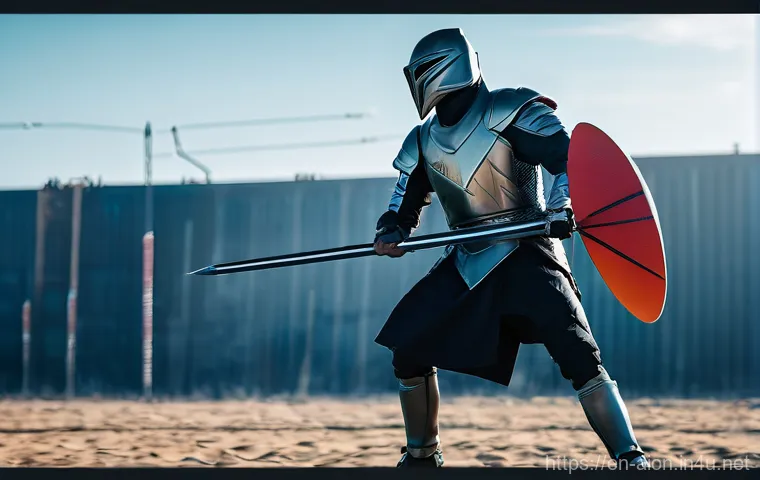
There’s no magic bullet for becoming a PvP god, folks. It all comes down to practice, practice, and more practice. The arena is your dojo, and every duel is an opportunity to hone your craft.
I’ve spent countless hours just grinding out arena matches, not always for the glory or the rewards, but purely to get more reps in against different classes and playstyles.
It’s in these intense, repeated engagements that your muscle memory develops, your reaction times improve, and you start to instinctively know what to do in various situations.
Find a guildmate or a friend who’s also into PvP and challenge them to duels constantly. Focus on specific matchups you struggle with. It’s like hitting the gym for your Aion skills –
consistency is key
. I promise you, the more you practice, the more confident and deadly you’ll become in any PvP scenario.
Community Insights & Learning from the Best
We’re all part of the Aion community, and there’s an incredible wealth of knowledge out there if you know where to look. Don’t be afraid to engage with other high-level Gladiators.
Watch their streams, check out their guides, or even ask them questions in-game (respectfully, of course!). I’ve personally learned so much from watching top-tier players dissect matchups or explain their decision-making process.
Sometimes, a single tip from a seasoned veteran can unlock a whole new level of understanding for your class. Forums, Discord servers, and YouTube channels dedicated to Aion PvP are fantastic resources.
It’s not about blindly copying what others do, but understanding
why they do it
, and then adapting those insights to your own playstyle. The collective wisdom of the community is a powerful tool for growth, so don’t isolate yourself – immerse yourself!
Empowering Your Gladiator: Relics & Enhancements
Beyond your core gear, Aion offers a plethora of ways to fine-tune your Gladiator for peak PvP performance, and ignoring these would be a massive oversight.
We’re talking about those extra layers of power that, when meticulously applied, can push your character from strong to absolutely unstoppable. These aren’t just minor stat bumps; they are significant power increases that stack up and contribute to your overall dominance on the battlefield.
From the mystical properties imbued by Idian to the precise customization offered by Manastones, and the undeniable raw power of an enchanted Feather, every single one of these enhancements builds upon your foundation.
I’ve personally witnessed the frustration of opponents who thought they had me beat, only to be surprised by the sheer resilience or unexpected burst granted by these critical power-ups.
It truly makes a tangible difference in high-stakes encounters, where every single point of attack, defense, or crit can swing the outcome.
Idian, Manastones, and Feathers
Idian is a fantastic system that allows you to imbue your weapon with additional stats, and getting the right balance of physical attack, crit, and even some magic suppression can make a noticeable difference.
I’ve spent a fair bit of time experimenting with different Idian types, finding that a balance favoring raw attack or crit usually serves a Gladiator best for maximum impact.
Then there are Manastones – oh, the Manastones! This is where you truly customize your stats. While some might argue for pure attack, I’ve personally found a mix of
Attack + Crit Strike with a few HP or Accuracy stones
for specific scenarios to be incredibly effective. It’s about personal preference and adjusting to what your gear needs most. And let’s not forget Feathers (if applicable in your game version), which provide substantial stat boosts across the board.
Enchanting your feather to higher levels is a consistent power increase you absolutely shouldn’t ignore. Every single one of these enhancements contributes to that overall power ceiling that makes a Gladiator a true force to be reckoned with.
Transformations and Their Impact
In recent versions of Aion, Transformations have become a game-changer, adding an entirely new layer of strategy and power to PvP. As Gladiators, understanding which transformations to use and
when to use them is absolutely critical
. Some transformations provide immense damage boosts, making your burst phases even more lethal. Others might offer defensive capabilities or utility that can swing a fight in your favor.
I’ve found that saving a high-tier transformation for a crucial moment – perhaps when you need to quickly secure a kill on a priority target, or when you need the extra survivability to weather an enemy’s burst – is far more effective than just popping it at the start of every fight.
It’s a resource, a very powerful one, that needs to be managed strategically. Knowing the exact buffs and skills each transformation grants you, and integrating them seamlessly into your combat flow, is what separates the casual Gladiator from the PvP maestro.
This isn’t just a simple stat stick; it’s a temporary power spike that, when used correctly, feels incredibly empowering and often results in crushing victories.
Timing is Everything: Crowd Control & Interrupts
If there’s one thing that truly separates a good Gladiator from a great one, it’s the mastery of crowd control (CC) and interrupts. These aren’t just secondary abilities; they are absolutely fundamental to controlling the pace of a fight and creating critical openings.
Landing a perfectly timed stun or knockdown isn’t just about disrupting your opponent; it’s about creating windows of opportunity for your own massive damage, or saving yourself from certain death.
A well-placed CC can completely derail an enemy’s burst, give your cooldowns time to reset, or isolate a key target for elimination. I’ve personally won so many duels and skirmishes just by flawlessly chaining CCs, leaving my opponent helpless as I unleash a full burst combo.
It’s a game of anticipation and quick reflexes, understanding what your opponent is trying to do and stopping them dead in their tracks before they can execute it.
Mastering this aspect of Gladiator play feels incredibly satisfying and is a true testament to your skill.
Landing Crucial Stuns and Silences
Skills like “Stumble,” “Ankle Snare,” or even the knockdown proc from some of our powerful attacks, are invaluable. I’ve personally won so many duels just by flawlessly chaining CCs, leaving my opponent helpless as I unleash a full burst combo.
The satisfaction of watching an enemy try to cast a critical spell, only to be instantly silenced by your godstone or a well-placed “Crippling Blow” (if it has that effect in your version), is unparalleled.
It’s a game of anticipation and quick reflexes, understanding what your opponent is
trying to do and stopping them dead in their tracks
before they can execute it. Remember, a stunned or silenced enemy is a helpless enemy, and that’s your window to apply maximum pressure.
Interrupting Key Enemy Skills
Beyond just landing CC, actively interrupting key enemy skills is a high-level Gladiator tactic
. Every class has those one or two skills that, if cast successfully, can completely change the momentum of a fight. For a Sorcerer, it might be a powerful nuke or a sleep.
For a Cleric, it’s a massive heal or a protective shield. Your job as a Gladiator is to identify these critical casts and shut them down. Whether it’s through a hard CC, a simple Stumble, or even just body blocking if you can manage it, preventing these skills from going off is paramount.
I’ve learned that listening for audio cues or watching the casting bar closely is just as important as watching my own cooldowns. There’s nothing more frustrating than having your perfectly planned burst completely countered because you failed to interrupt a key defensive skill.
Conversely, there’s nothing more empowering than perfectly shutting down an enemy’s game plan with a well-timed interrupt.
Breaking Free: Debuff Cleansing
While not always a Gladiator’s primary focus, understanding the importance of debuff cleansing, either through your own limited skills or external consumables, can be a game-saver.
We often find ourselves heavily debuffed by Chanters, Rangers, or even other Gladiators. Being able to remove crucial debuffs like silences, stuns, or slows can restore your mobility and ability to fight back.
In some versions of Aion, Gladiators might have a skill that cleanses a debuff or two, and knowing when to use it is key. Otherwise, always have a good supply of dispelling potions on hand.
I’ve been in countless situations where a
well-timed dispel potion freed me from a crippling debuff
, allowing me to turn the fight around. It’s a small detail, but in high-stakes PvP, every detail matters. Don’t let yourself be a sitting duck because you ignored the power of cleansing those pesky debuffs.
Wrapping Up Our Gladiator Journey
Whew, what a journey we’ve had, diving deep into the heart of what it truly means to be a top-tier Gladiator in Aion PvP! From meticulously selecting our weapons and stigmas to mastering those intricate skill rotations and understanding the dance of defensive play, every single piece contributes to the magnificent puzzle that is a dominant Gladiator. My hope is that sharing these insights, hard-won through countless battles and more than a few frustrating defeats, helps ignite that spark in you to push your limits. Remember, this isn’t just about theory; it’s about getting in there, getting your hands dirty, and feeling the visceral thrill of every perfectly executed combo. The real magic happens when theory meets practice on the battlefield, transforming a good player into a legendary one.
I’ve personally found that the satisfaction of outsmarting an opponent, of turning the tide of a seemingly lost fight with a clever maneuver, is what keeps me logging back in day after day. It’s a challenge, sure, but it’s an incredibly rewarding one. Think of this guide not as a definitive endpoint, but as a solid foundation and a personal invitation to continue exploring, adapting, and refining your own unique Gladiator style. The meta is always shifting, new challenges always arise, and the best Gladiators are those who never stop learning and evolving. So, go forth, my fellow warriors, and may your blades always be sharp and your resolve unyielding!
Valuable Insights to Keep in Mind
Here are some quick, actionable nuggets of wisdom I’ve picked up along the way that I truly believe will give you an edge in the brutal world of Aion PvP:
1.
Weapon First, Always:
Seriously, if there’s one piece of advice to hammer home, it’s to invest everything you can into your primary weapon. A fully enchanted, top-tier weapon dramatically amplifies your damage output, making your skills hit harder and your burst far more threatening. Don’t spread your resources too thin; focus on that weapon first, and you’ll immediately feel the difference in every engagement. It’s the foundation of your power.
2.
Master the Weave:
This is an absolute game-changer. Learning to seamlessly weave auto-attacks between your skills not only provides a significant chunk of “free” damage, but it also increases your chances of proccing your godstone and helps manage your cooldowns more efficiently. It’s a subtle art, but those who master it truly ascend to another level of Gladiator play. Practice it on dummies until it’s second nature.
3.
Consumables are King:
Never, ever underestimate the power of a well-stocked inventory of scrolls and potions. Attack scrolls, Crit Strike scrolls, healing potions, anti-shock scrolls – these aren’t luxuries; they’re vital tools that can swing a fight in your favor. Going into PvP without them is like fighting with one hand tied behind your back. Always be prepared!
4.
Learn Your Matchups:
Knowing your own skills is important, but truly understanding your enemy’s kit, their cooldowns, and their common tactics against a Gladiator is what sets you apart. Anticipate their moves, know when to counter, and when to retreat. This knowledge allows you to adapt on the fly and exploit their weaknesses. It’s a constant study, but one that pays off handsomely.
5.
Embrace the Grind:
There’s no shortcut to becoming a formidable Gladiator. The arena, duels, and open-world skirmishes are your training grounds. Every loss is a lesson, every victory a reinforcement of good habits. The more you practice, the more your muscle memory develops, and the faster your reactions become. Consistent effort is the secret ingredient to true mastery.
Essential Gladiator Principles
To truly excel as a Gladiator, remember that it’s a holistic endeavor – far more than just hitting hard. It’s about building a solid foundation through optimal gear, meticulously chosen down to every manastone and godstone, which genuinely empowers your character for the challenges ahead. What I’ve found over the years is that the synergy between a thoughtfully constructed gear set and a perfectly aligned stigma build creates an unstoppable force. It’s not just about raw power; it’s about intelligence in how you assemble your arsenal, knowing that each piece serves a purpose in your overall PvP strategy. This meticulous preparation builds a Gladiator that truly feels unique and formidable in every encounter.
Beyond gear, your approach to combat defines your success. This means developing a dynamic playstyle that constantly adapts to your opponents, utilizing your movement, crowd control, and even your defensive cooldowns with surgical precision. The difference between a good Gladiator and a great one often lies in their ability to make split-second decisions and pivot their strategy based on the ebb and flow of battle. And perhaps most importantly, cultivate a mindset of continuous improvement. Every duel, every skirmish, whether a triumph or a defeat, offers an invaluable opportunity to learn, refine, and grow. Engage with the community, learn from others, and always strive to understand not just *what* to do, but *why* you’re doing it. This journey of constant self-assessment and unwavering dedication is what will truly forge you into an Atreian legend. Keep that blade sharp, Daevas, and I’ll see you on the battlefield!
Frequently Asked Questions (FAQ) 📖
Q: With
A: ion’s constant updates and the anticipation of Aion 2, how can a Gladiator effectively adapt to the ever-shifting PvP meta and stay competitive? A1: Oh, this is a question that hits home for every dedicated Gladiator!
It’s frustrating, right? You spend hours perfecting a build only for a patch to drop and suddenly you’re back at square one. What I’ve personally found invaluable is to be a sponge for information.
Don’t just read the patch notes; dive into the discussions on forums, watch high-level streams from players in Korea who often get these updates first, and test things out yourself in-game.
When a major balance change hits, my first move is to hit the dueling grounds or practice arena. I experiment with different stigmas, manastone setups, and even skill rotations that might have been overlooked before.
For example, when certain defensive abilities got rebalanced, I stopped relying so heavily on them for mitigation and started focusing more on aggressive CC chains to prevent incoming damage altogether.
It’s all about understanding the spirit of the change – are they trying to promote more sustained damage, or burst, or emphasize defensive play? Once you grasp that, you can adapt your entire playstyle, not just your gear.
It’s a continuous learning curve, but that’s also what makes Aion PvP so incredibly engaging!
Q: Beyond just gear, what are the most crucial skills and strategies a Gladiator needs to master to truly dominate in
A: ion PvP? A2: You’re hitting on a super important point here – gear is crucial, but it’s just the foundation. The real magic happens with your hands and your brain!
For a Gladiator, mastering your skill rotation isn’t just about hitting the right buttons; it’s about timing. Knowing when to unleash your burst, when to interrupt an enemy’s cast with a perfectly timed Stumble or Aetherhold, and when to pop your defensive cooldowns is a game-changer.
I remember countless times thinking I had an opponent beat, only to get completely outplayed because they timed their dispels or dodges perfectly against my big damage windows.
Furthermore, understanding matchup psychology is vital. Against a Ranger, you need to manage your gaps and be ready for their traps. Against a Cleric, it’s about consistent pressure and baiting out their heals.
I’ve often practiced against specific classes just to get a feel for their typical patterns. And never underestimate the power of movement! Good positioning, kiting when necessary, and knowing when to aggressively close the distance can win you fights even when you’re slightly out-geared.
It’s all about those split-second decisions and fluid execution that separates the good Gladiators from the truly great ones.
Q: I’ve heard about recent Gladiator reworks and the upcoming
A: ion 2 PvP. What can we expect, and how should we prepare to leverage these changes as Gladiators? A3: This is where things get really exciting, and a bit speculative for Aion 2, but we can definitely draw some insights from the recent reworks in the Korean patches!
What I’ve seen, and what many in the community are buzzing about, is a clear push towards more dynamic and skill-based combat. For Gladiators, this often means less reliance on simple, massive burst and more on intricate combo weaving, utility, and strategic use of crowd control.
Instead of just “press button, do big damage,” we might be looking at scenarios where perfectly chaining a Stumble into a Knockback, then capitalizing on that window, becomes far more rewarding.
Think about it – if Aion 2 leans into more structured PvP with balanced matchmaking, individual skill and adaptation to each fight will matter even more than before.
My advice for preparation? Start thinking beyond your default rotations. Explore every single skill in your arsenal and consider its niche use.
Could this less-used skill be a critical opener in a specific matchup? Are there new ways to combine abilities for unexpected CC chains? I’m already theorycrafting different stigma pages and looking at how even small changes to a skill’s cooldown or effect can open up entirely new playstyles.
It’s about being proactive, staying informed with the official news (and unofficial leaks!), and being ready to hit the ground running with an open mind to new possibilities.
The Gladiator will always be a powerhouse, but the path to mastery might just get a whole lot more nuanced and thrilling!